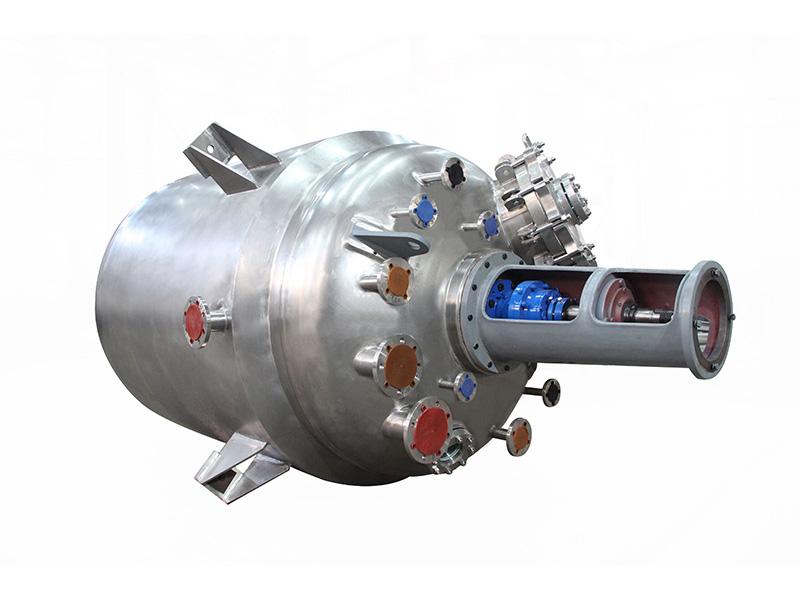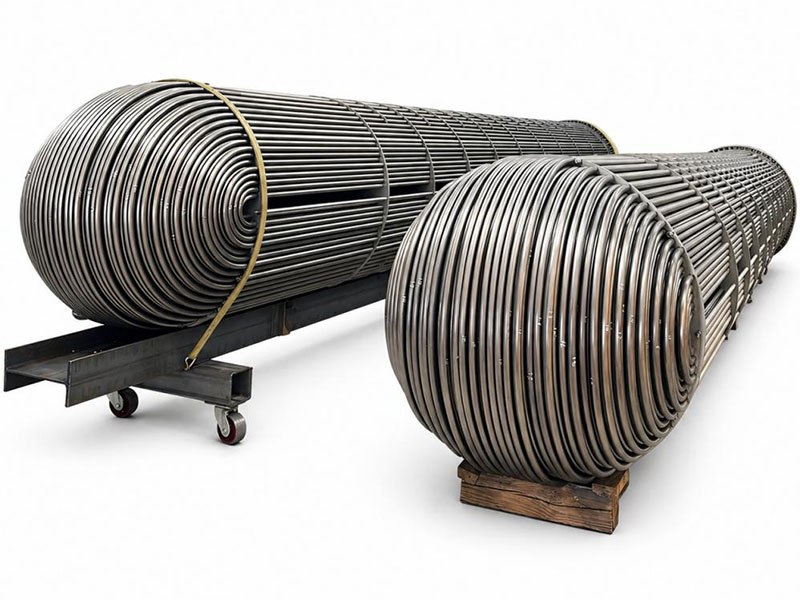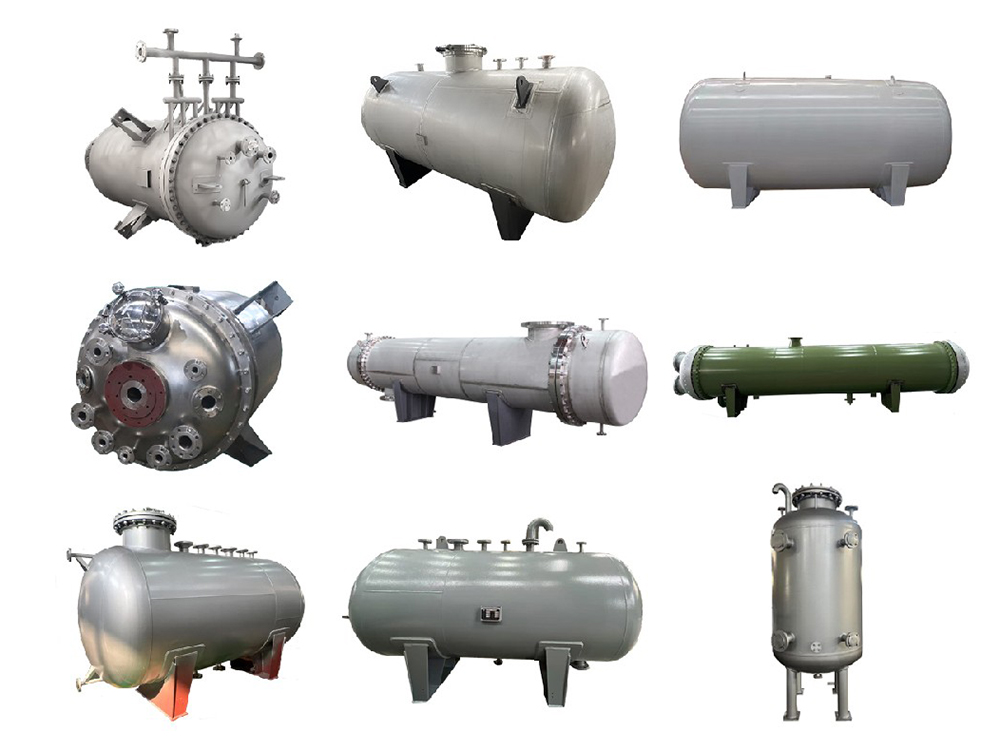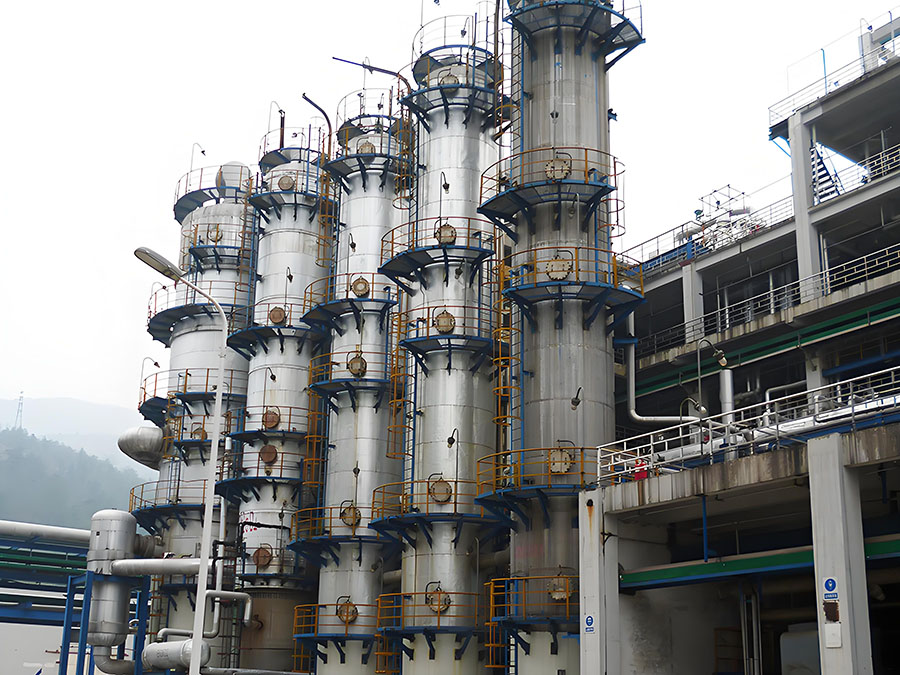

Anti-corrosion measures for horizontal pressure vessels need to be systematically designed based on the characteristics of the medium, environmental conditions, and operating parameters. Material selection is the first line of defense against corrosion. For corrosive media, stainless steel (such as 304, 316L), duplex stainless steel, or nickel-based alloys should be given priority. Carbon steel vessels require an internal anti-corrosion lining, commonly including rubber lining, fiberglass lining, PTFE lining, or thermally sprayed aluminum/zinc layer. Lining construction must ensure the substrate surface reaches Sa2.5 grade sandblasting treatment, and joints should be sealed with lap joints or welding. External anti-corrosion typically uses a multi-layer coating system. The primer uses epoxy zinc-rich or inorganic zinc coating to provide cathodic protection, the intermediate coat is epoxy micaceous iron oxide to enhance the shielding effect, and the topcoat uses polyurethane or fluorocarbon resin to improve weather resistance. In coastal areas, the coating thickness should be increased to over 300μm, and the coating condition should be assessed regularly.
Cathodic protection is an auxiliary corrosion prevention method. For buried or underwater horizontal containers, sacrificial anodes (magnesium/zinc alloy) or impressed current protection systems can be used. The protection current density must be calculated during the design phase, and the anode blocks or auxiliary electrodes should be arranged appropriately. The structural design should avoid dead zones where liquid can accumulate, and the drain outlet should be located at a lower point with an inclined bottom plate (≥3° slope) to prevent the accumulation of corrosive media. Welded areas require special protection; ultra-low carbon welding materials should be used to reduce the risk of intergranular corrosion, and post-weld pickling and passivation treatment should be performed. In terms of operational control, the temperature, concentration, and flow rate of the medium must be strictly limited within the material's tolerance range to avoid erosion corrosion caused by turbulent flow. Regular online monitoring technologies such as ultrasonic thickness measurement and electrochemical impedance spectroscopy should be implemented to establish a corrosion rate database to guide maintenance decisions. Protective measures during shutdown are equally important; containers that are to be shut down for extended periods should be sealed with nitrogen or injected with corrosion inhibitor solutions.
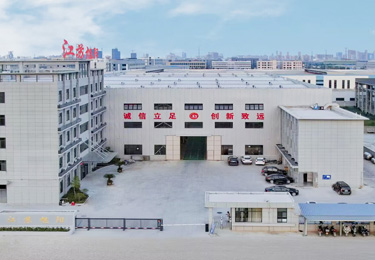
The company is located in the south park of Jingjiang Economic and Technological Development Zone, with superior geographical location and convenient transportation.


Contact:Sang Yuanliang
Tel:13338894168