

The sealing methods for dual-tube sheet heat exchangers are mainly divided into three categories: mechanical seals, welded seals, and expansion seals. Each method is designed for different operating conditions and media characteristics. Mechanical seals use flange connections with spiral wound gaskets or graphite composite gaskets, achieving a seal through bolt pre-tightening force. This is suitable for applications requiring frequent disassembly and maintenance. The sealing surface machining accuracy must reach Ra1.6 or higher, and flange bolts must be tightened in stages using a torque wrench in a cross-shaped sequence to ensure uniform pressure distribution. Welded seals are a permanent connection method. The tube sheet and heat exchange tubes use full penetration welds, requiring 99.99% radiographic testing (RT) and liquid permeation testing (PT). This is suitable for high-pressure or highly toxic media conditions. The welding process requires controlled heat input to avoid deformation, and austenitic stainless steel tubes require pickling and passivation treatment after welding.
Expansion seals use hydraulic or mechanical expansion to cause plastic deformation of the heat exchange tubes, forming an interference fit with the tube sheet holes. Combined with strength welding (strength expansion + sealing weld), it can withstand higher pressures. The expansion ratio should ideally be controlled between 5% and 8%. Too high a ratio will lead to thinning of the pipe wall, while too low a ratio will result in insufficient sealing. Special sealing methods include explosive expansion joints (suitable for thick-walled pipes) and rubber expansion joints (for thin-walled non-ferrous metal pipes). The unique intermediate isolation cavity seal of double tube sheets requires separate treatment, typically using O-rings or bellows compensation structures to prevent cross-contamination between the tube-side and shell-side media. All sealing methods must undergo an airtightness test after installation. The test pressure should be 1.25 times the design pressure, and the pressure holding time should be no less than 30 minutes. The selection of sealing materials must consider the corrosiveness of the medium; Hastelloy gaskets are used in acidic environments, and nickel-based alloy welding materials are used in high-temperature conditions.
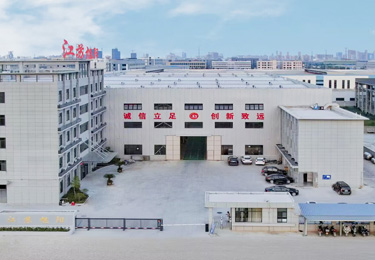
The company is located in the south park of Jingjiang Economic and Technological Development Zone, with superior geographical location and convenient transportation.


Contact:Sang Yuanliang
Tel:13338894168