

The insulation layer design of carbon steel storage tanks primarily serves three core objectives: temperature control, energy conservation, and safety protection. Regarding temperature control, the insulation layer maintains the temperature stability of the stored medium by reducing heat exchange between the inside and outside of the tank. For materials requiring constant temperature storage, such as liquid chemical raw materials or food-grade oils, the insulation layer effectively blocks the effects of external temperature fluctuations, preventing changes in material properties or stratification caused by temperature variations. In low-temperature storage scenarios, the insulation layer significantly reduces cold loss, decreasing the energy consumption of the refrigeration system; while under high-temperature storage conditions, it avoids the need for repeated heating due to rapid heat loss. The thermal resistance performance of the insulation layer directly determines the temperature retention capability of the storage tank; materials with a thermal conductivity below 0.05 W/(m·K), such as rock wool, polyurethane foam, or aluminum silicate fiber, are typically used.
Energy conservation is another important consideration in insulation layer design. By reducing heat loss from the tank surface, the energy consumption of the heating or cooling system can be reduced. Calculations show that good insulation design can reduce heat loss in storage tanks by more than 60%, with particularly significant cumulative energy savings for large tank groups or long-term operating tank systems. The thickness of the insulation layer needs to be determined through thermal calculations to meet both economic requirements and ensure that the surface temperature meets process requirements. In terms of safety, the insulation layer reduces the external surface temperature of the tank, preventing burns to personnel and reducing the fire risk to the surrounding environment from high-temperature surfaces. For cryogenic tanks, the insulation layer also prevents accelerated corrosion and cold loss caused by condensation on the external surface. A specially designed moisture-proof layer blocks water vapor penetration, preventing performance degradation of the insulation material after it becomes damp.
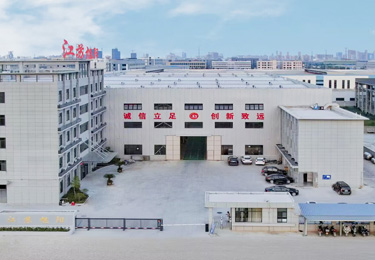
The company is located in the south park of Jingjiang Economic and Technological Development Zone, with superior geographical location and convenient transportation.


Contact:Sang Yuanliang
Tel:13338894168