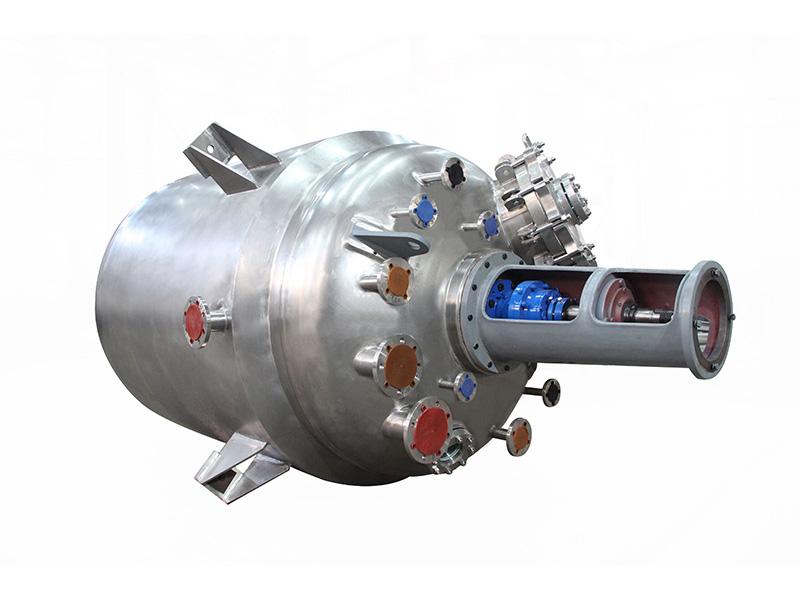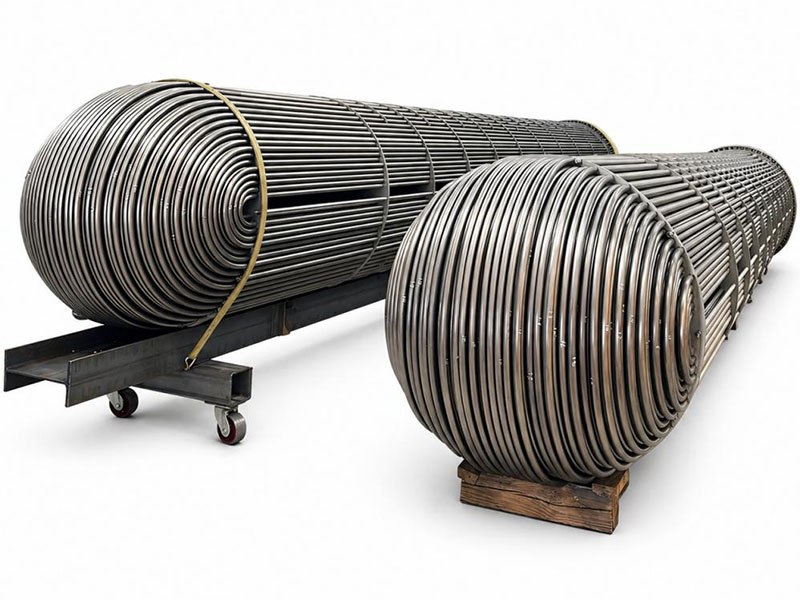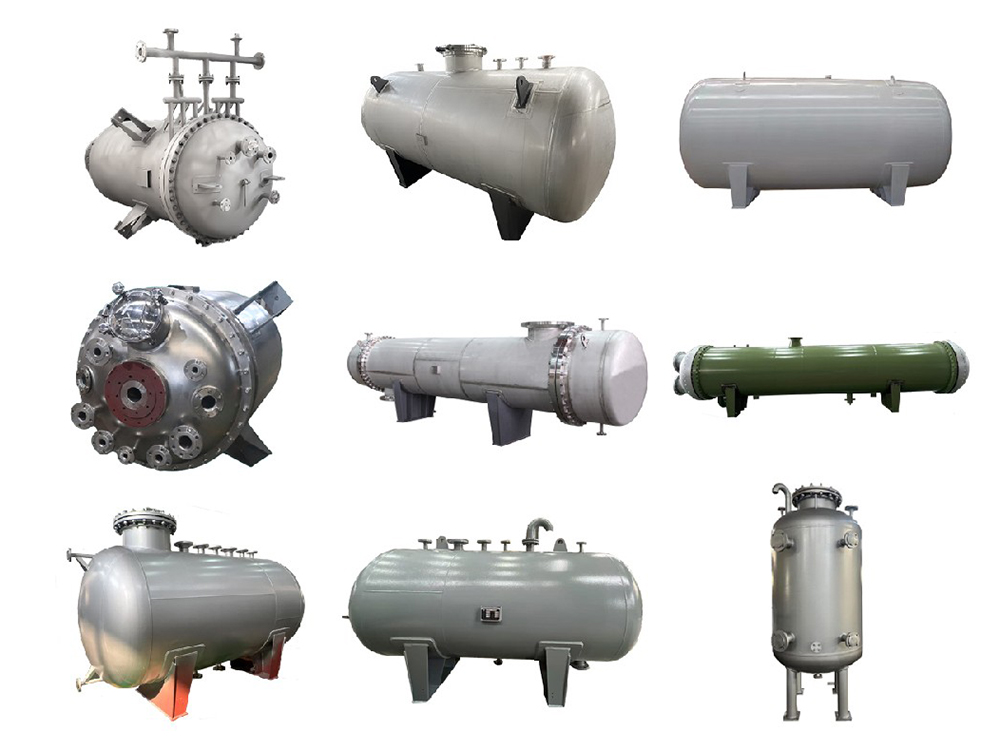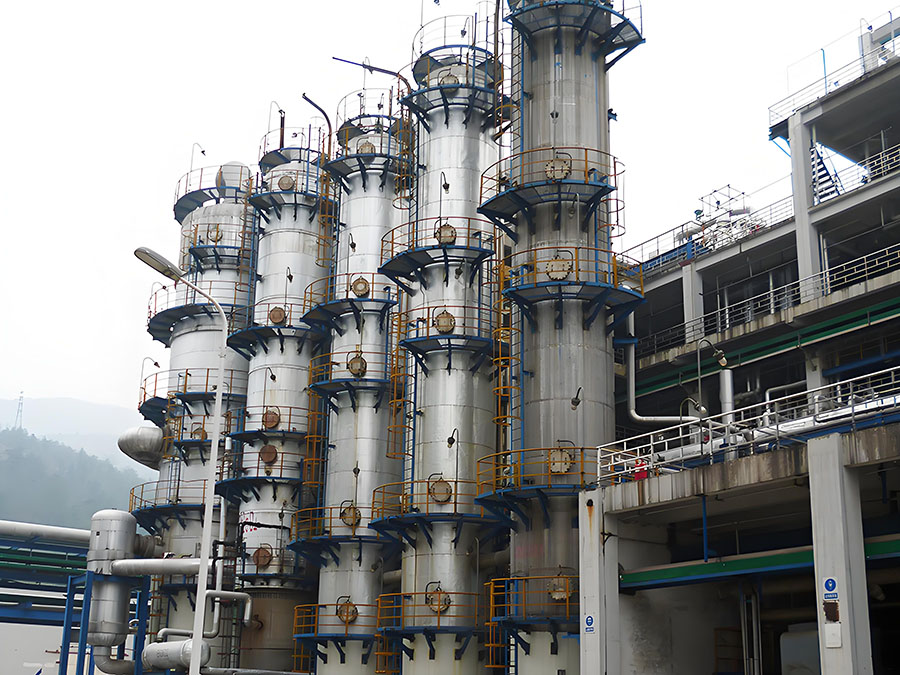

The corrosion types faced by high-pressure reactors mainly fall into three categories: chemical corrosion, electrochemical corrosion, and stress corrosion cracking. Chemical corrosion originates from the direct reaction between the medium and the material, such as the general corrosion of carbon steel by strong acids and the hydrogen erosion reaction of steel under high temperature and pressure. Electrochemical corrosion is more pronounced in electrolyte solutions, including pitting corrosion (local penetration of stainless steel by Cl-), crevice corrosion (concentration cells under sealing surfaces or deposits), and galvanic corrosion (potential difference corrosion when dissimilar metals are in contact). Stress corrosion cracking (SCC) is a dangerous condition unique to high-pressure equipment. Under the combined action of tensile stress and corrosive media, austenitic stainless steel may undergo chloride SCC, while carbon steel is prone to alkali embrittlement.
High-pressure environments accelerate corrosion rates: increased pressure promotes the dissolution of gases (such as H2S and CO2) in the liquid phase, creating a more corrosive environment; increased temperature accelerates chemical reaction kinetics. Special corrosion forms also include hydrogen-induced cracking (HIC)—high-pressure hydrogen permeates into the steel, creating microcracks, and corrosion fatigue—crack propagation caused by the synergistic effect of alternating pressure and corrosion. The accumulation of corrosion products can lead to secondary problems, such as spontaneous combustion of iron sulfide or localized overheating caused by scaling.
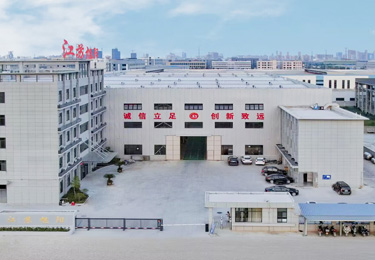
The company is located in the south park of Jingjiang Economic and Technological Development Zone, with superior geographical location and convenient transportation.


Contact:Sang Yuanliang
Tel:13338894168