

NDT for Hastelloy reactors requires a multi-technology collaborative strategy covering the entire manufacturing process. At the raw material stage, 99.99% ultrasonic testing (UT) is performed, using a 5MHz dual-crystal probe to check for internal inclusions and delamination. Weld joint inspection primarily uses radiographic testing (RT), employing Ir192 or Se75 γ-ray sources with D7-grade film, an image quality meter sensitivity ≤1.7%, and adherence to ASME VIII Div.1 UW-51 acceptance standards. Surface inspection uses penetrant testing (PT), with cleaning agents containing <1% chlorofluorocarbons and developers that do not chemically react with the alloy.
For thin-walled areas (<8mm), eddy current testing (ET) is preferred for identifying surface microcracks. In-service inspection uses acoustic emission (AE) technology, deploying 8-12 sensors to monitor crack propagation signals in real time. Phased array ultrasonic testing (PAUT) is used for complex structure inspection, such as fillet welds in pipes, generating three-dimensional defect images. All inspection data must be digitally archived to establish a full lifecycle defect database. Testing personnel must hold an ASNT Level III certificate and receive specialized training on the unique acoustic characteristics of Hastelloy (longitudinal wave velocity 5820m/s).
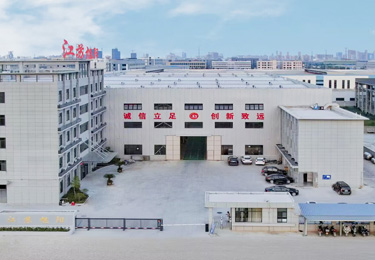
The company is located in the south park of Jingjiang Economic and Technological Development Zone, with superior geographical location and convenient transportation.


Contact:Sang Yuanliang
Tel:13338894168