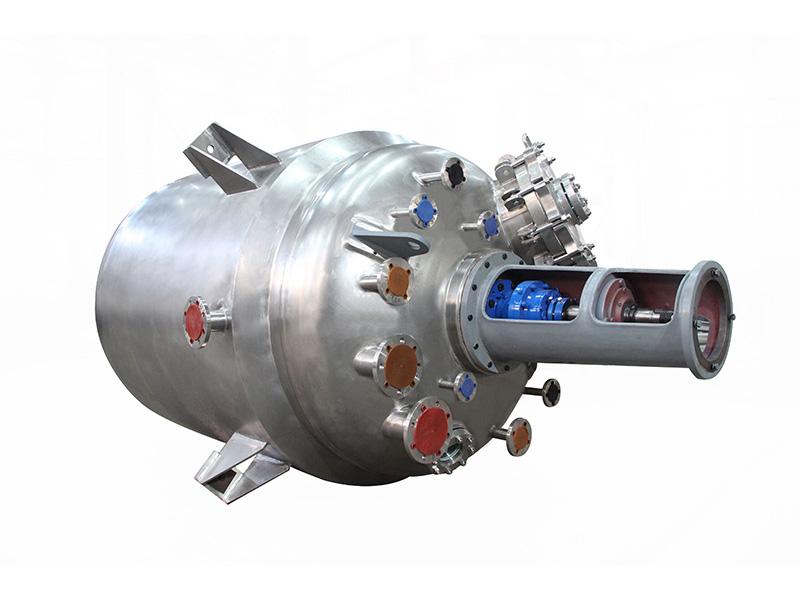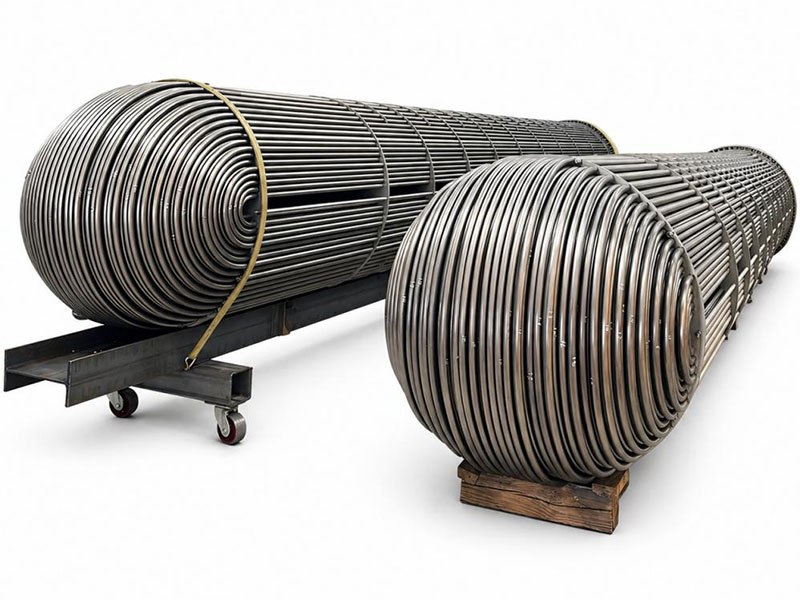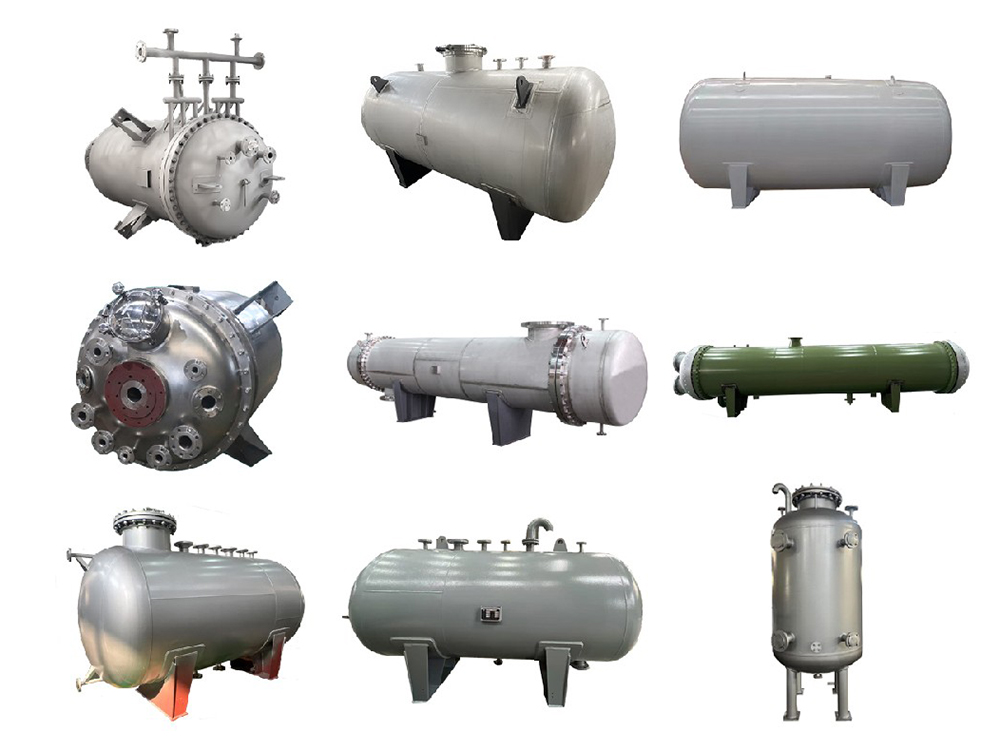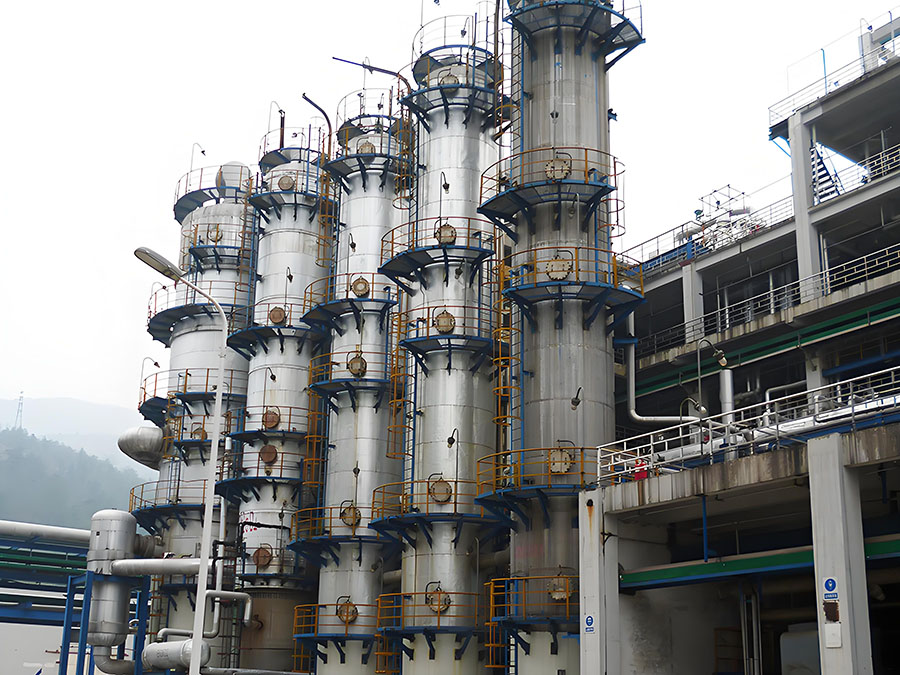

The wall thickness calculation for stainless steel tower sections must simultaneously meet strength, stiffness, and stability requirements. Strength calculations are based on the internal pressure cylinder formula in GB/T 150.3, considering the design pressure, allowable material stress (the smaller of 1/5 of the room temperature strength and 2/3 of the design temperature strength), and weld joint coefficient (0.85 for double-sided welds). Corrosion allowance is determined based on the medium characteristics; generally 1-2 mm for chemical environments, and an additional 0.5 mm for chloride-containing media. Stability checks include external pressure instability calculations, determining the reinforcing ring spacing and section modulus according to the method in Chapter 4 of GB/T 150.3. Bending moments caused by wind and seismic loads need to be converted into equivalent pressures for wall thickness calculation.
For tower sections with a height-to-diameter ratio greater than 5, the vibration effect under dynamic loads must be considered, with an additional wall thickness of 10%-20% of the calculated value. For localized stress concentration areas, such as at openings and nozzles, the peak stress is verified using stress linearization methods to ensure it does not exceed the limit. For material selection, 304 stainless steel is designed for temperatures not exceeding 425℃, 316L can be used for conditions below 500℃, and 310S or super stainless steel should be used for higher temperatures. The actual wall thickness must also consider negative deviations in the steel plate and the amount of thinning during processing, rounded to the standard steel plate specifications. For vacuum conditions, the resistance to instability under critical external pressure needs to be additionally checked, and reinforcing rings should be installed if necessary. Under fatigue conditions, cumulative damage assessment is required, and the life cycle should be determined according to the fatigue curves of ASME VIII Div.2.
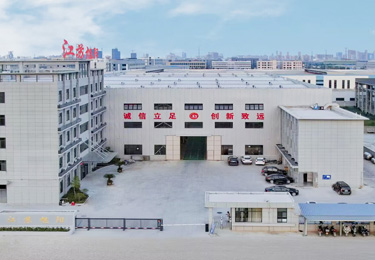
The company is located in the south park of Jingjiang Economic and Technological Development Zone, with superior geographical location and convenient transportation.


Contact:Sang Yuanliang
Tel:13338894168