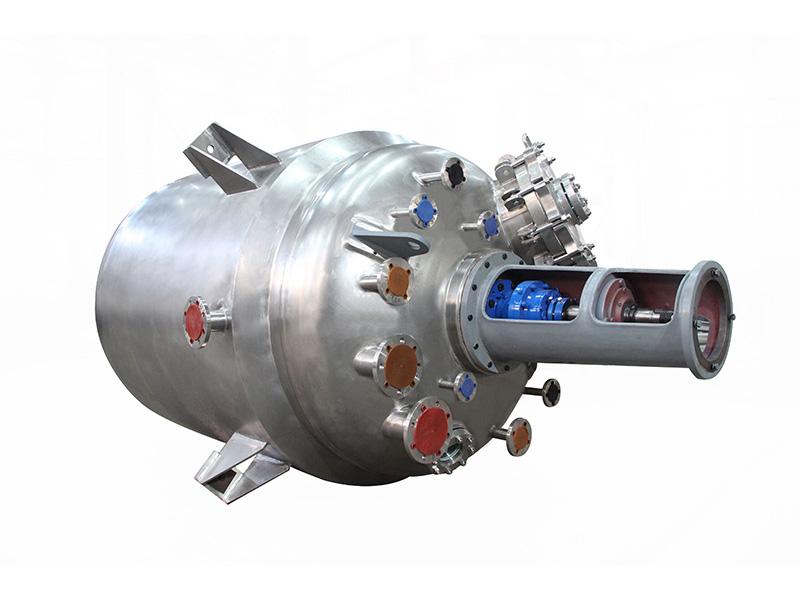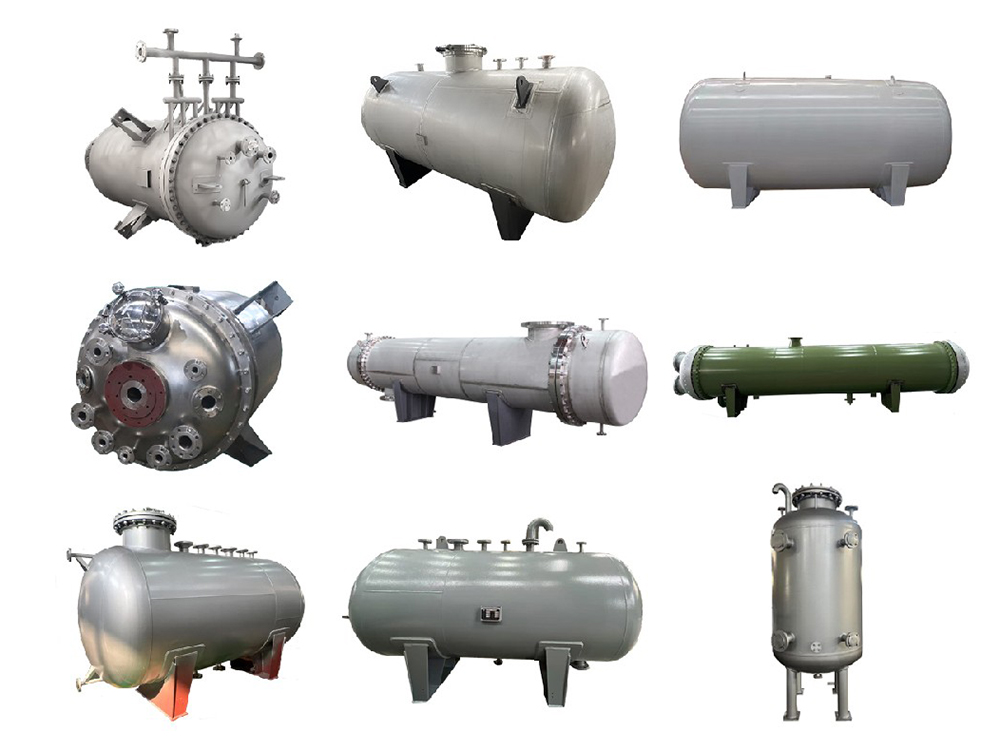


The manhole design of stainless steel and carbon steel reaction vessels must meet requirements for safety, ease of operation, and airtightness. Manholes are crucial components of reaction vessels, used for maintenance, cleaning, and internal inspection; their design must comply with relevant standards and specifications. The size of the manhole is typically determined by the volume and internal structure of the reaction vessel, with common diameters ranging from 400 mm to 600 mm to ensure easy access for personnel. The location of the manhole should facilitate operation, usually located on the top or side of the reaction vessel. Top manholes are suitable for large reaction vessels, while side manholes are suitable for medium and small-sized vessels. The opening direction of the manhole should avoid obstructing operating space; hinged or quick-opening structures are commonly used. Hinged manholes facilitate frequent opening, while quick-opening manholes are suitable for applications requiring rapid maintenance.
The material of the manhole must be consistent with the main body material of the reaction vessel, typically stainless steel or carbon steel, to ensure corrosion resistance and structural strength. The sealing structure of the manhole is crucial for ensuring the airtightness of the reaction vessel, typically employing gasket seals or O-ring seals. Gasket seals are suitable for atmospheric or low-pressure reactors; commonly used gasket materials include rubber, PTFE, and spiral wound gaskets. O-ring seals are suitable for high-pressure or high-vacuum reactors, offering good elasticity and sealing performance. Manhole fasteners typically use bolts or quick-release clamps. Bolt connections are suitable for high-pressure reactors, while quick-release clamps are suitable for applications requiring frequent opening. Manhole design must also consider the effects of internal pressure and external loads to ensure no deformation or leakage occurs under operating conditions.
Manhole installations must comply with safety regulations, such as including safety interlock devices to prevent opening under pressure. Operating platforms and guardrails should be provided around manholes to ensure operator safety. For reactors handling toxic, flammable, explosive, or high-temperature materials, manhole design must specifically consider explosion-proof, high-temperature resistance, and leak-proof requirements. For example, explosion-proof manhole covers or pressure relief devices should be used to prevent accidents caused by excessive internal pressure. The inner surface of the manhole should be smooth and free of dead corners for easy cleaning and to prevent material residue. The design and manufacture of manholes must comply with relevant industry standards, such as GB/T 150 "Pressure Vessels" and HG/T 21514 "Steel Manholes and Handholes", to ensure their safety and reliability.
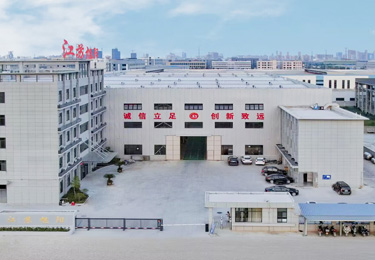
The company is located in the south park of Jingjiang Economic and Technological Development Zone, with superior geographical location and convenient transportation.


Contact:Sang Yuanliang
Tel:13338894168