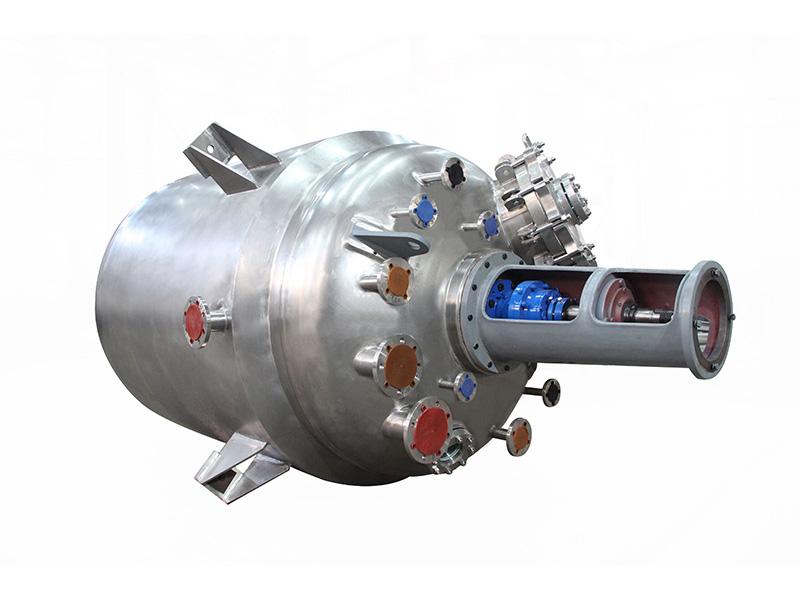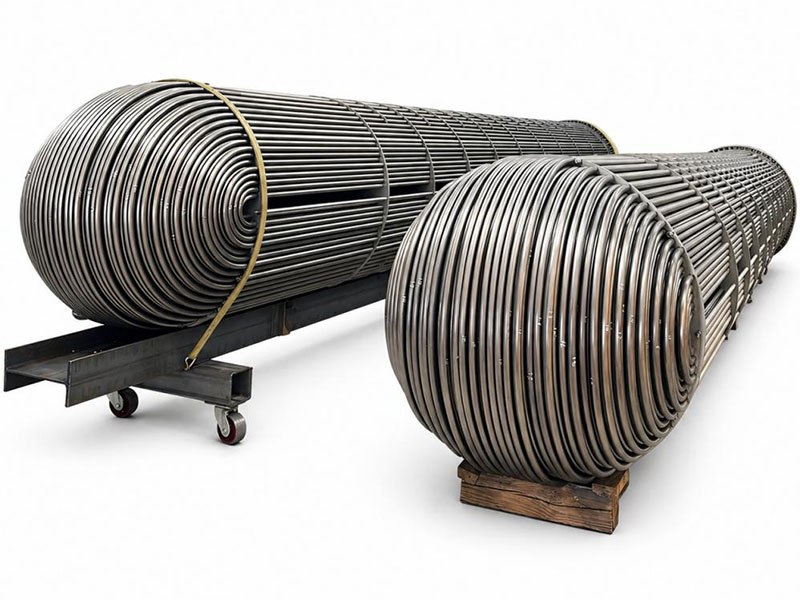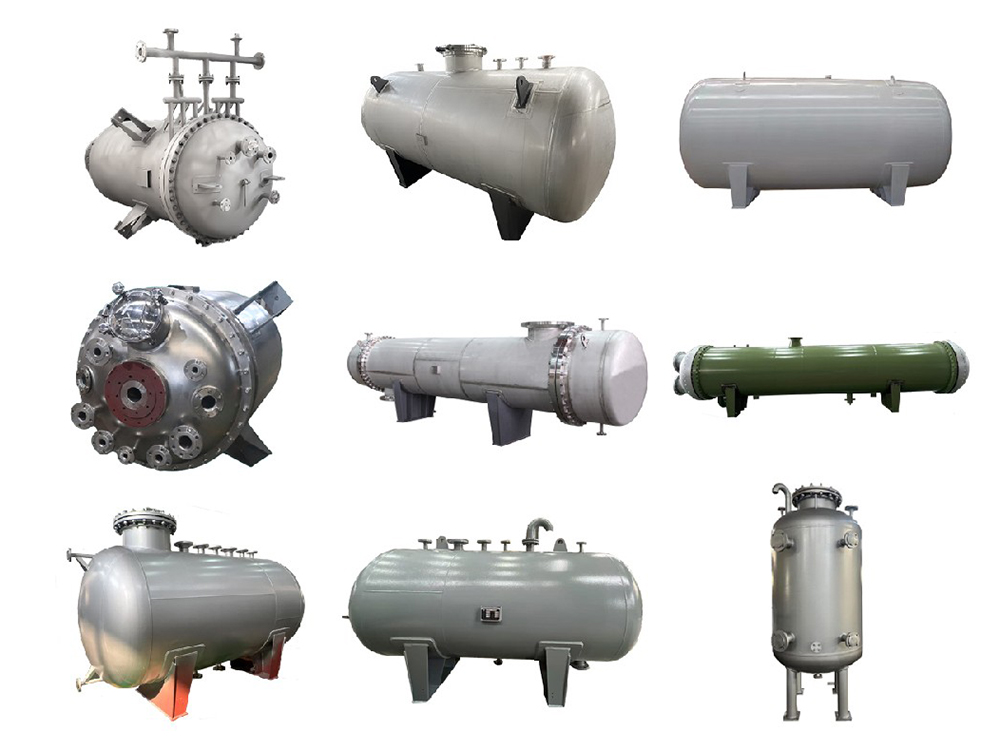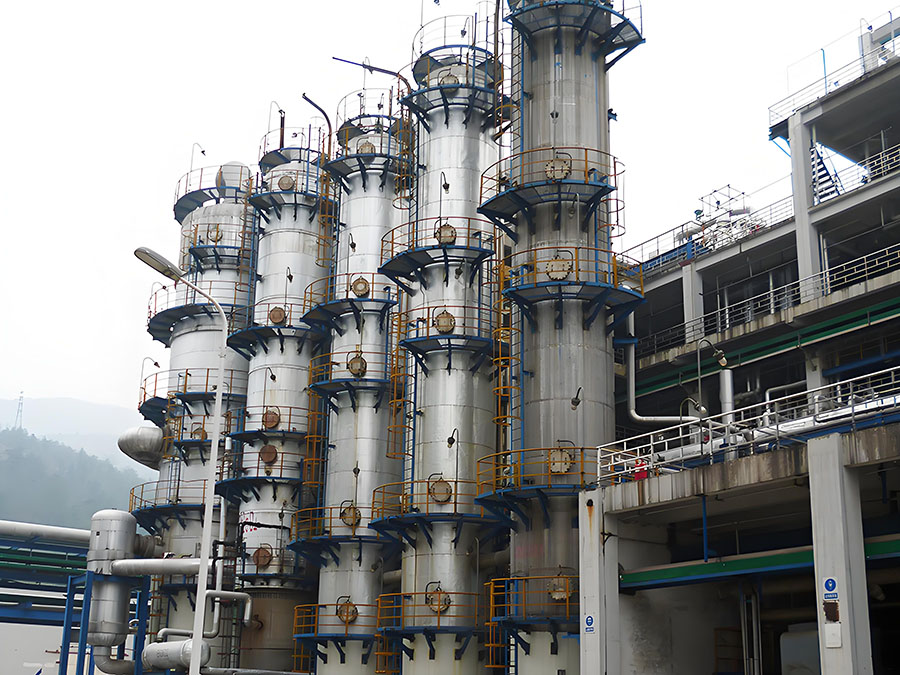


The heating efficiency of electrically heated stainless steel and carbon steel equipment is influenced by a combination of factors, including the thermophysical properties of the materials, the design and layout of the heating elements, the characteristics of the heated medium, the insulation measures of the equipment, and the precision of the control system. The thermophysical properties of the materials are the fundamental factor affecting heating efficiency. The thermal conductivity, specific heat capacity, and coefficient of thermal expansion of stainless steel and carbon steel determine the rate and uniformity of heat transfer. Stainless steel has a relatively low thermal conductivity, which may lead to a certain gradient in heat transfer, while carbon steel has better thermal conductivity but poorer corrosion resistance. Therefore, in the design of electric heating equipment, a composite structure of stainless steel and carbon steel is often used to balance corrosion resistance and thermal conductivity. The design and layout of the heating elements directly affect the generation and distribution of heat. The power density of the resistance wire, the winding method, and the contact area with the inner wall of the equipment all affect the heating efficiency. A reasonable layout of the heating elements can avoid localized overheating or underheating, ensuring that heat is evenly transferred to the entire medium.
The characteristics of the heated medium have a significant impact on heating efficiency. The specific heat capacity, viscosity, fluidity, and phase change characteristics of the medium determine the ease of heat absorption and transfer. High-viscosity media, such as polymers or high-solids-content slurries, tend to form temperature stratification within the equipment due to their poor fluidity, reducing heating efficiency. Low-viscosity media, such as water or organic solvents, are easily heated uniformly through convection. Phase change processes of the medium, such as evaporation or solidification, absorb or release significant amounts of latent heat, requiring the heating system to have a rapid response capability. Insulation measures are crucial for reducing heat loss and improving heating efficiency. High-quality insulation materials, such as ceramic fibers or polyurethane foam, can effectively reduce heat loss from the equipment's outer walls, improving energy utilization. The thickness and sealing of the insulation layer need to be optimized based on the operating temperature and environmental influences; an excessively thin insulation layer cannot effectively insulate, while an excessively thick layer may increase equipment size and cost.
The accuracy of the control system is critical to the stability and adjustability of heating efficiency. The location, sensitivity, and feedback speed of the temperature sensor determine whether the control system can adjust the heating power in a timely manner, avoiding overshoot or undershoot. The parameter tuning of the PID control algorithm needs to be optimized based on the dynamic characteristics of the equipment to achieve rapid and stable temperature regulation. Furthermore, the stability of the power supply voltage, the temperature coefficient of resistance of the heating element, and changes in ambient temperature also indirectly affect heating efficiency. Voltage fluctuations can lead to unstable heating power, and an excessively high temperature coefficient of resistance can cause the resistance of the heating element to change with increasing temperature, thus affecting power output. Changes in ambient temperature can also disrupt the internal temperature field through heat exchange on the outer wall of the equipment. In summary, the heating efficiency of electrically heated stainless steel and carbon steel equipment is the result of the interaction of multiple factors, and efficient and stable heating performance needs to be achieved through comprehensive optimization of material selection, structural design, medium characteristics, and control strategies.
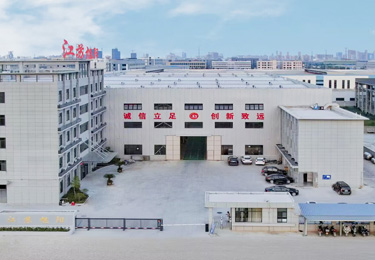
The company is located in the south park of Jingjiang Economic and Technological Development Zone, with superior geographical location and convenient transportation.


Contact:Sang Yuanliang
Tel:13338894168