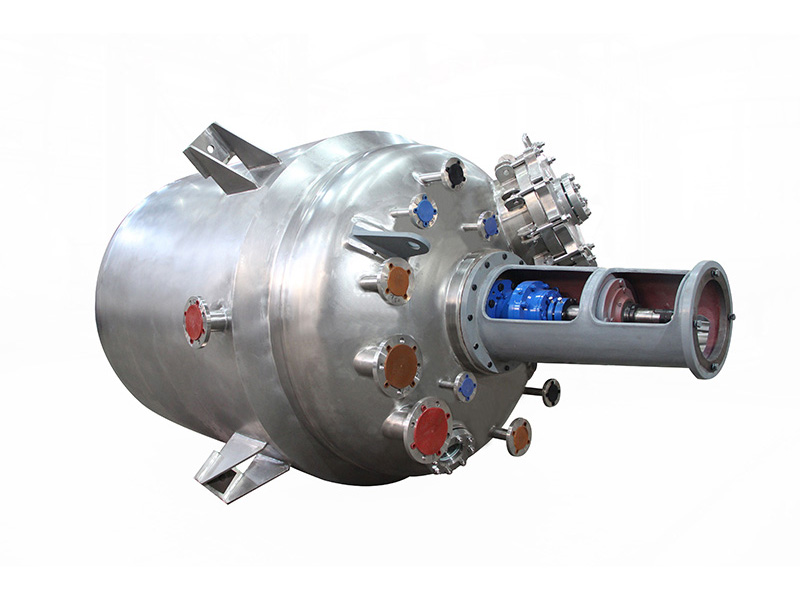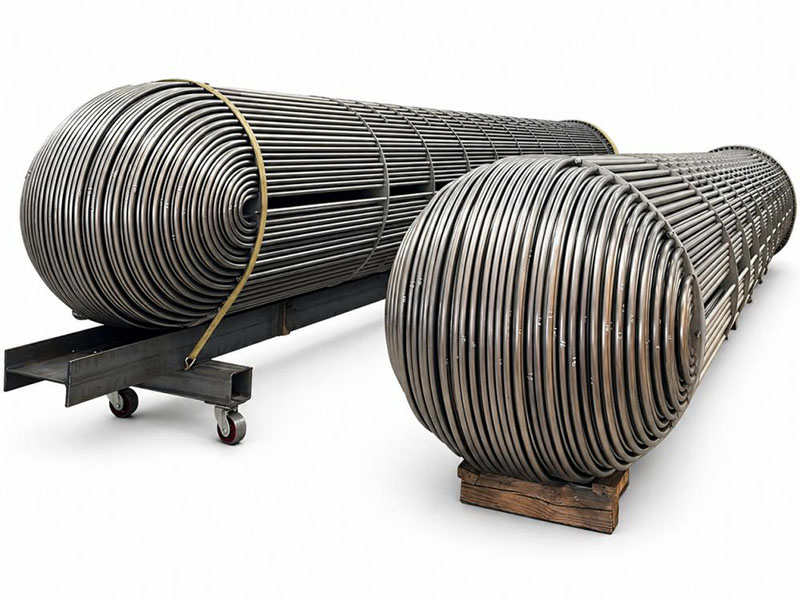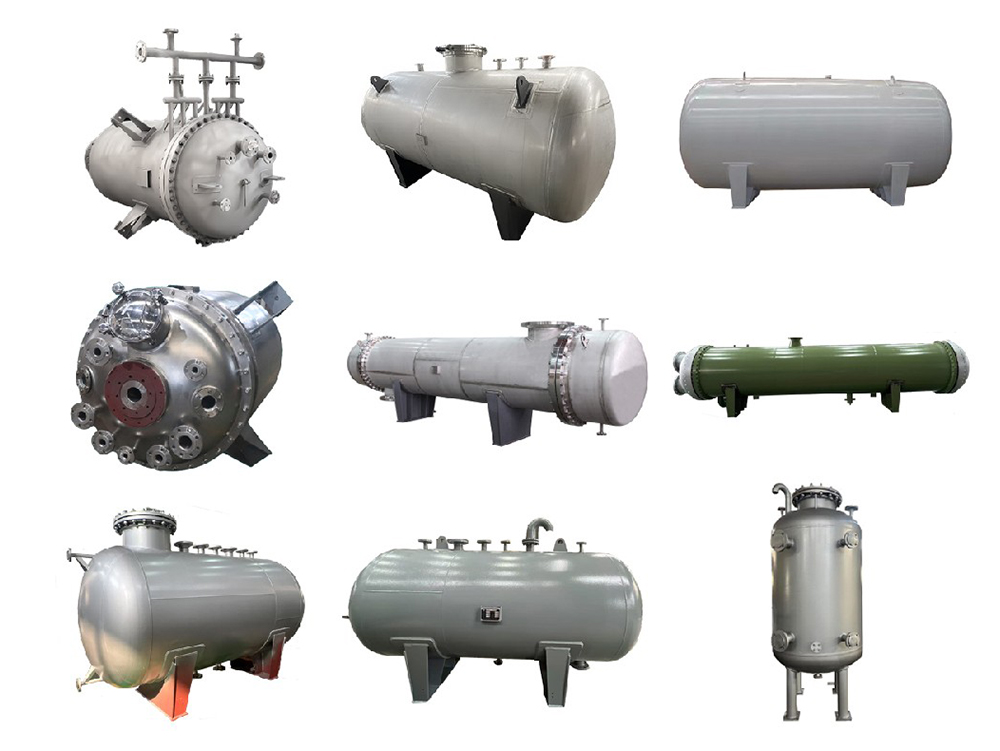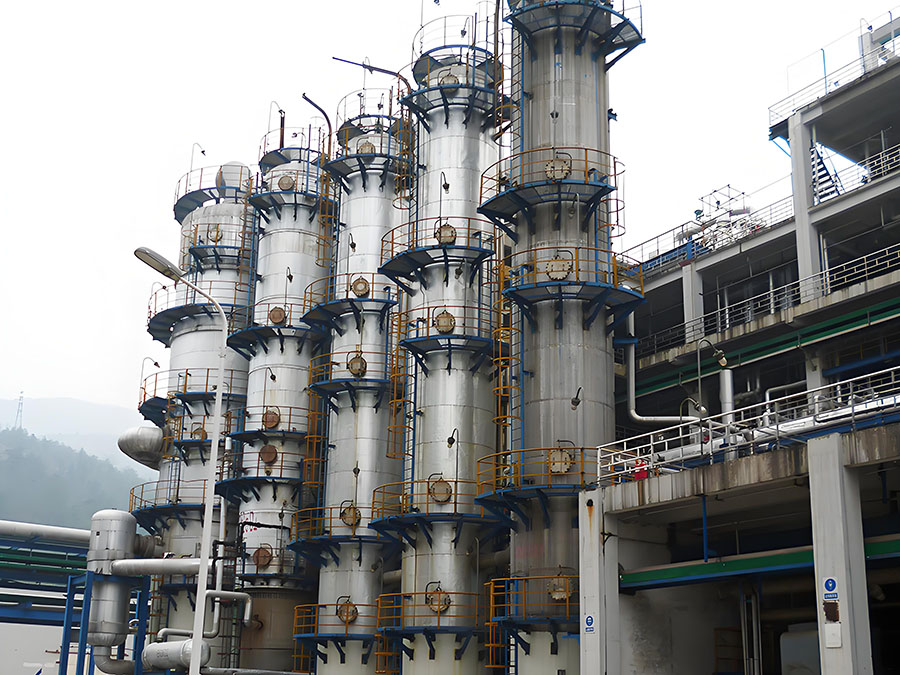


Preventing PTFE-lined tower sections from detaching requires a comprehensive protection system integrating materials, structure, and process. At the material level, modified PTFE (such as carbon fiber reinforced PTFE) is preferred, as its coefficient of thermal expansion is closer to that of steel, improving cold flow resistance by over 50%. Surface pretreatment of the substrate uses a combination of sandblasting and a special primer (such as a PFA transition layer), with a surface energy of at least 38 mN/m to ensure chemical bonding. Structural design should avoid sharp corners; all transition areas should use rounded arcs with an radius of ≥10 mm, and the lining at flange flanges should extend at least 5 mm beyond the outer edge of the sealing surface.
Key manufacturing process control points include: hot pressing temperature of 380±5℃, maintaining a pressure of 0.5-1 MPa; cooling rate not exceeding 20℃/min to reduce residual stress; for large tower sections using segmented linings, the overlap width should be ≥50 mm and hot-melt welded. During use, temperature fluctuations must be strictly limited (<50℃/h) to avoid "thermal shock" delamination caused by localized overheating. Regular inspection methods include high-frequency spark testing (15kV/mm) and infrared thermal imaging scanning to promptly identify areas of interface debonding. For vulnerable areas, an anti-erosion protective layer (such as a ceramic ring) can be added, and damping shock absorbers must be installed in vibration environments. Repair techniques employ in-situ hot-melt welding or PFA repair tape, and the repaired area must undergo a 48-hour pressure test for verification.
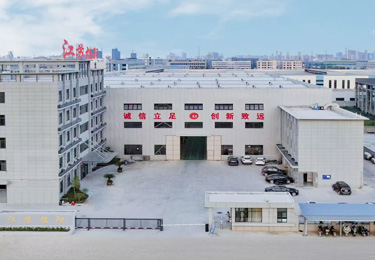
The company is located in the south park of Jingjiang Economic and Technological Development Zone, with superior geographical location and convenient transportation.


Contact:Sang Yuanliang
Tel:13338894168