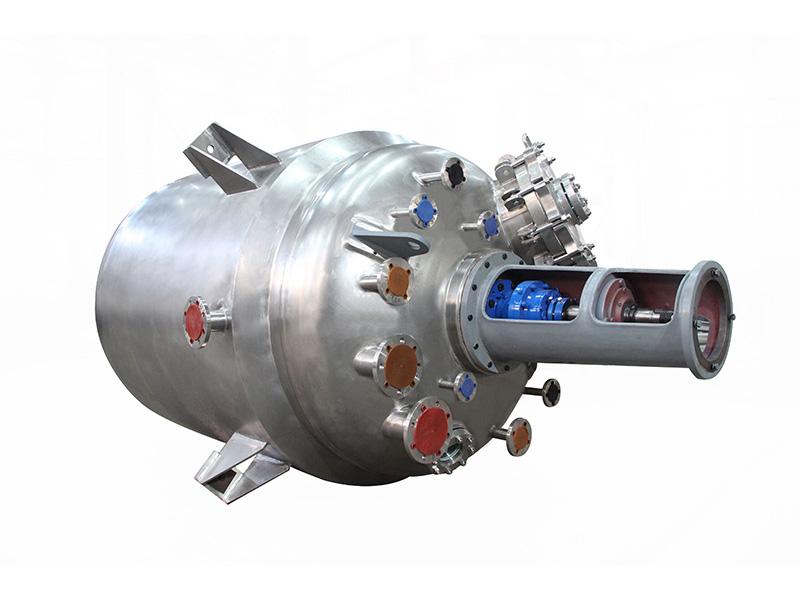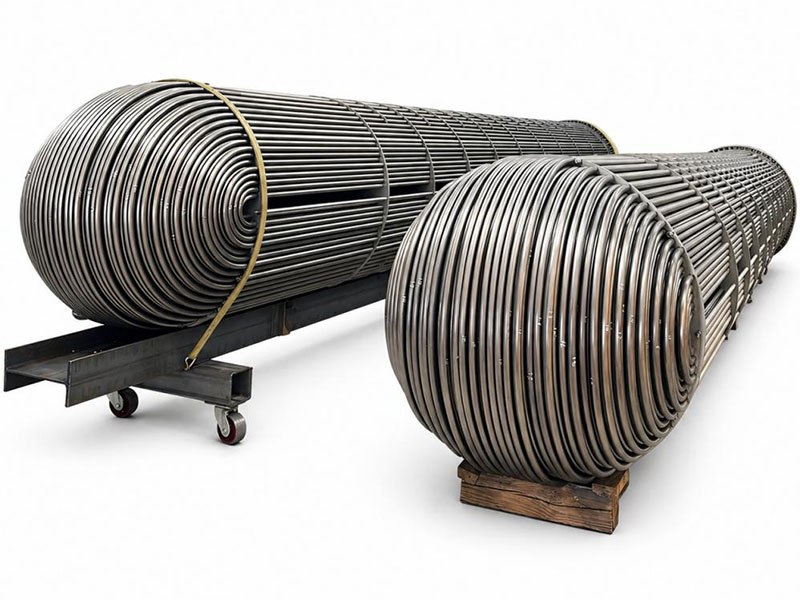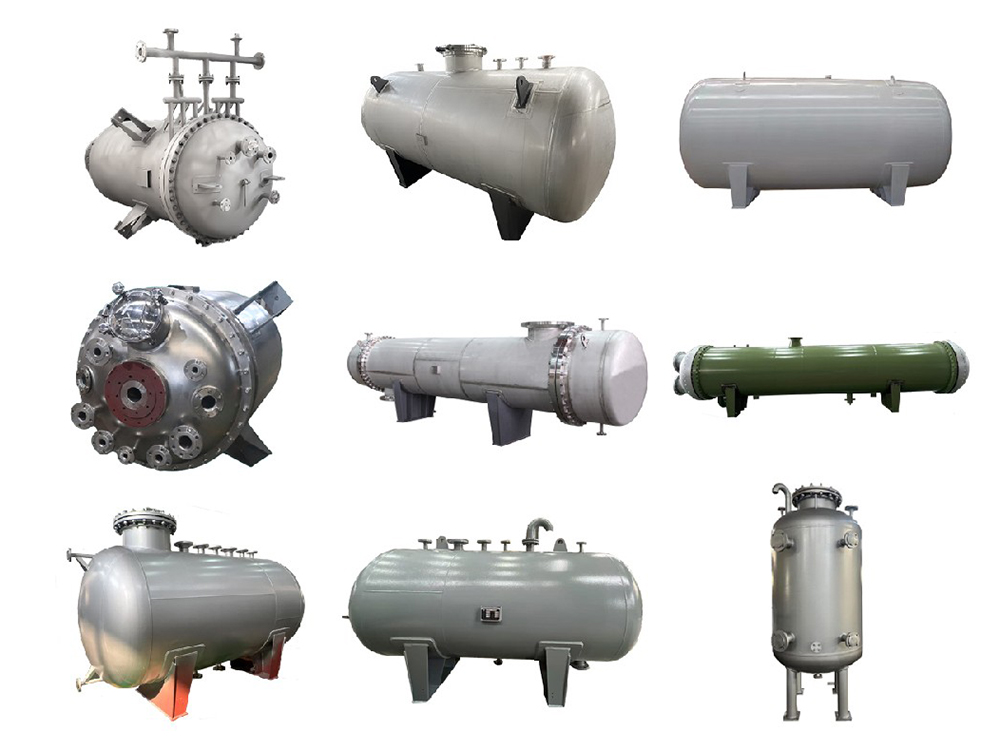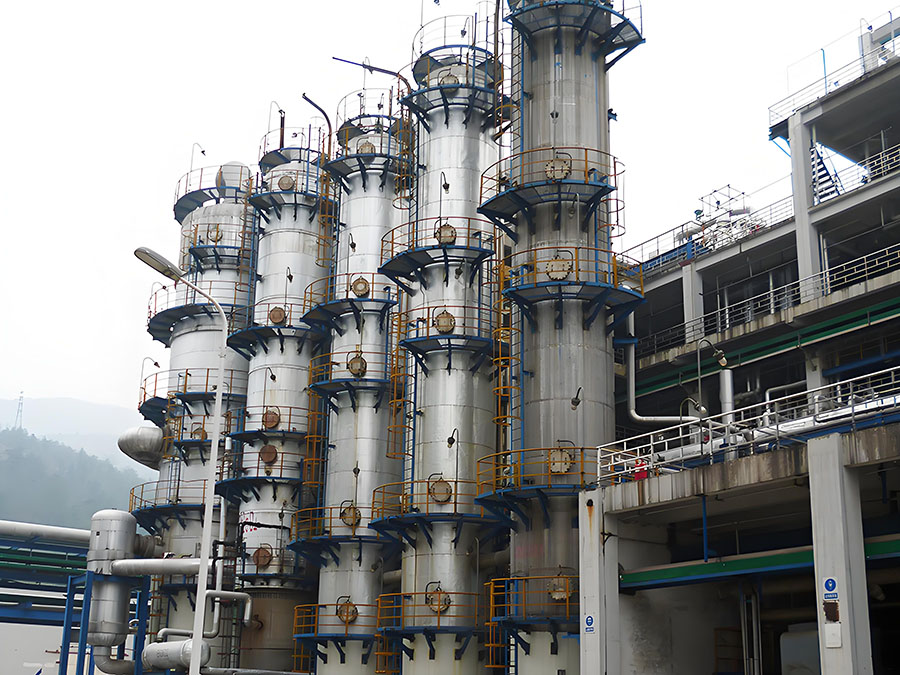


The insulation layer design of a stainless steel heat exchanger primarily serves three core functions: thermal management, process stability, and safety protection. In terms of thermal management, the insulation layer effectively blocks heat exchange between the heat exchanger and the external environment through low thermal conductivity materials (such as rock wool, aluminum silicate, or nano-aerogel), reducing ineffective heat loss. For high-temperature conditions (above 200℃), high-quality insulation can reduce surface heat loss by more than 80%, significantly improving system efficiency; for low-temperature conditions (such as refrigeration systems), it prevents cold loss and external condensation. Regarding process stability, the insulation layer buffers the impact of ambient temperature fluctuations on the heat exchange process, maintaining the stability of the medium outlet temperature (fluctuation range can be controlled within ±1℃), which is particularly critical for precision chemical processes and pharmaceutical production. The insulation layer also balances the shell temperature field, reducing metal stress concentration caused by localized cooling.
The safety protection function is reflected in three aspects: first, it reduces the external surface temperature to below 50℃, meeting human contact safety standards; second, it reduces the risk of ignition of surrounding combustibles by high-temperature surfaces, meeting NFPA fire protection specifications; and third, it prevents the slippery hazard caused by frost formation on low-temperature equipment surfaces. A specially designed moisture-proof layer blocks water vapor penetration, preventing the thermal conductivity of the insulation material from increasing after it becomes damp. For outdoor heat exchangers, the insulation layer must also have UV aging resistance; the metal protective shell is typically made of 304 stainless steel or aluminum plate. During maintenance and repair, attention should be paid to the integrity of the insulation layer; damaged parts should be repaired promptly to maintain design performance. After long-term operation, the insulation effect can be evaluated through infrared thermal imaging.
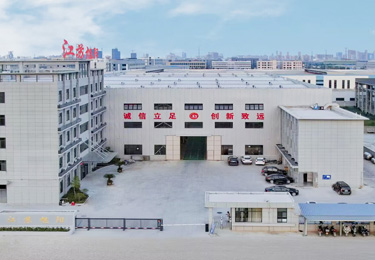
The company is located in the south park of Jingjiang Economic and Technological Development Zone, with superior geographical location and convenient transportation.


Contact:Sang Yuanliang
Tel:13338894168