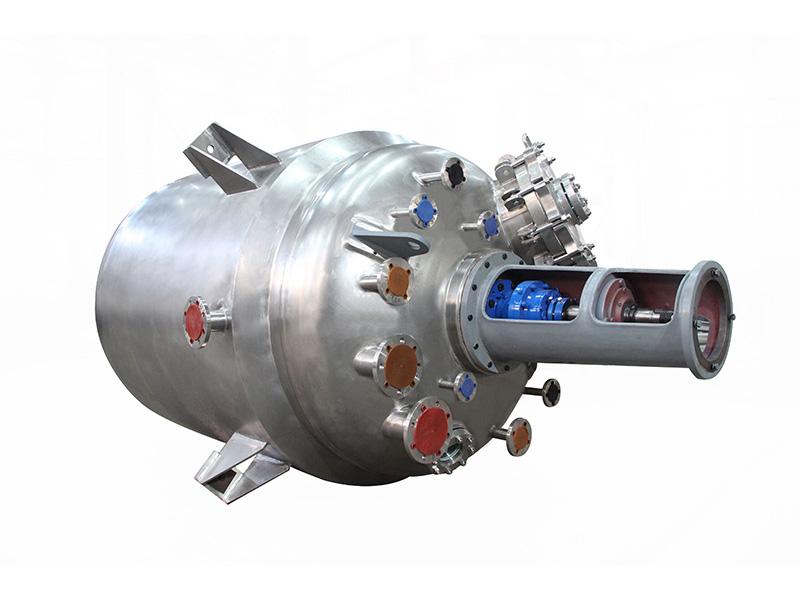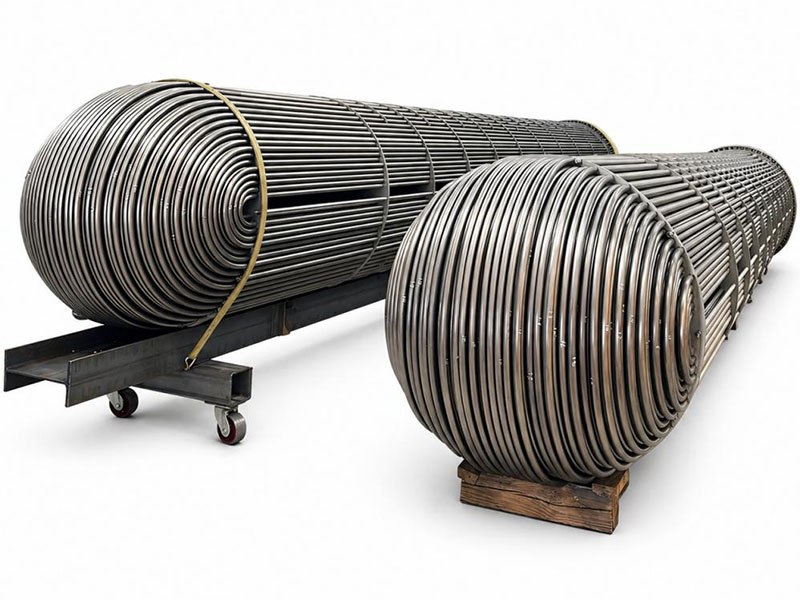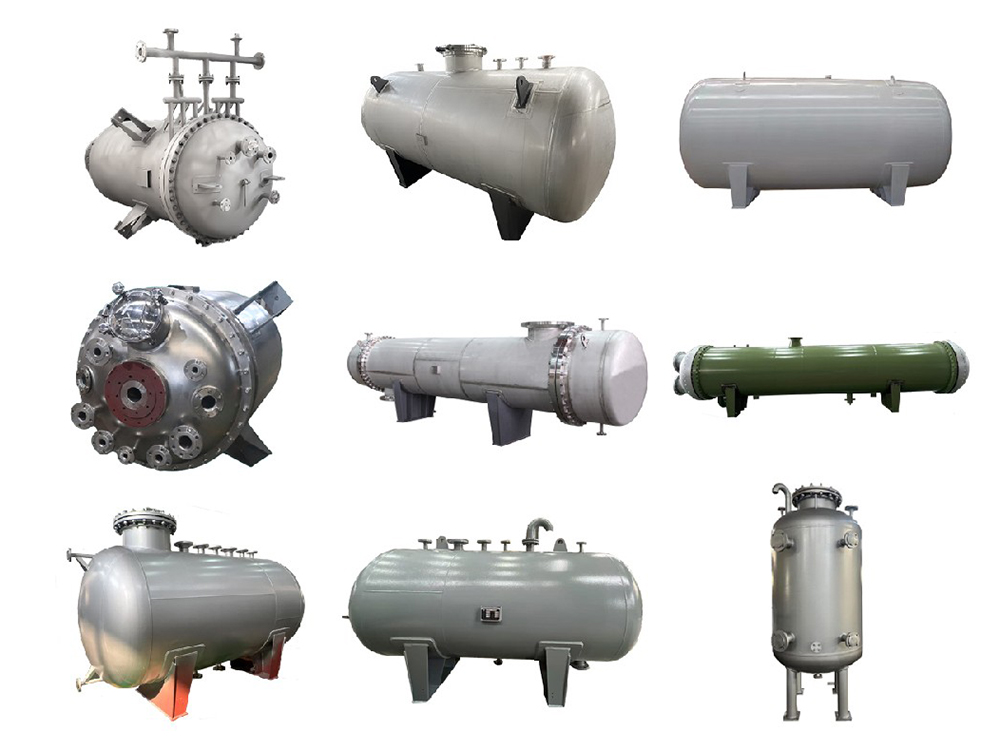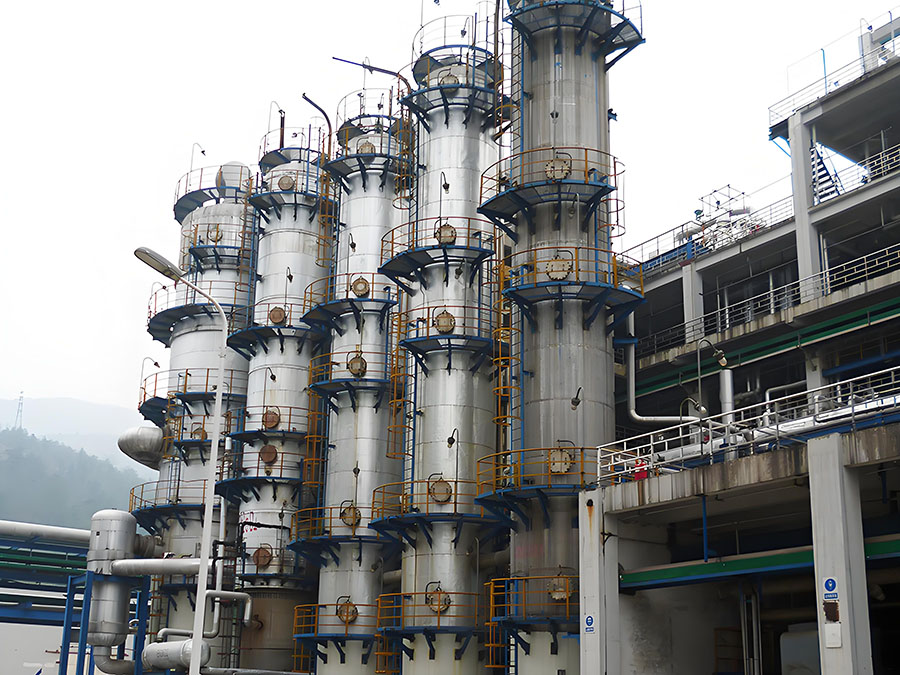


Distillation towers are essential equipment widely used in industries such as chemical, petroleum, refining, and environmental protection. Their core function is to achieve separation, purification, reaction, or mass transfer processes. Specifically, distillation towers effectively separate or transform different components in a mixture using physical or chemical methods to meet the needs of industrial production. For example, in distillation, distillation towers utilize the differences in boiling points of different components to separate liquid mixtures into components with higher purity; in absorption, distillation towers use gas-liquid contact to allow certain components in the gas to be absorbed by the liquid, thereby purifying the gas or recovering useful components. Furthermore, distillation towers can also be used in chemical reactions, such as catalytic reaction towers, by providing suitable reaction environments and contact conditions to promote chemical reactions. The design and operation of distillation towers directly affect separation efficiency, product quality, and energy consumption, thus holding an irreplaceable position in industrial production.
The core function of distillation towers is also reflected in their multifunctionality. Different types of distillation towers can adapt to different process requirements, such as distillation towers, absorption towers, extraction towers, and reaction towers, each with its unique structure and operating characteristics. Distillation columns are primarily used for separating liquid mixtures, achieving the extraction of high-purity products through multiple gas-liquid equilibrations. Absorption columns focus on processing gas mixtures, selectively absorbing specific components from gases using liquid absorbents. Extraction columns achieve solute transfer through the contact of two immiscible liquids. Reaction columns combine mass transfer and reaction processes, suitable for applications requiring continuous reactions. The versatility of these columns makes them indispensable equipment in chemical production.
The core role of column equipment also lies in its ability to optimize processes and improve energy efficiency. By rationally designing the internal structure and operating parameters of the column, separation efficiency can be significantly improved while reducing energy consumption. For example, using high-efficiency column internals (such as packing or trays) can increase the gas-liquid contact area and improve mass transfer efficiency; optimizing operating conditions (such as temperature, pressure, and flow rate) can reduce energy consumption and increase product yield. Furthermore, the application of automated control and online monitoring technologies further enhances the stability and economy of column operation. Therefore, column equipment is not only a key device for achieving material separation and reaction but also an important tool for improving industrial production efficiency and sustainable development.
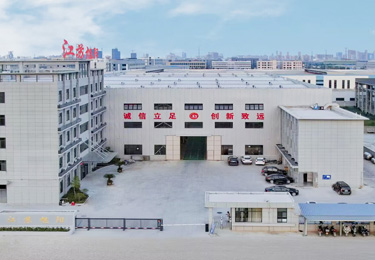
The company is located in the south park of Jingjiang Economic and Technological Development Zone, with superior geographical location and convenient transportation.


Contact:Sang Yuanliang
Tel:13338894168