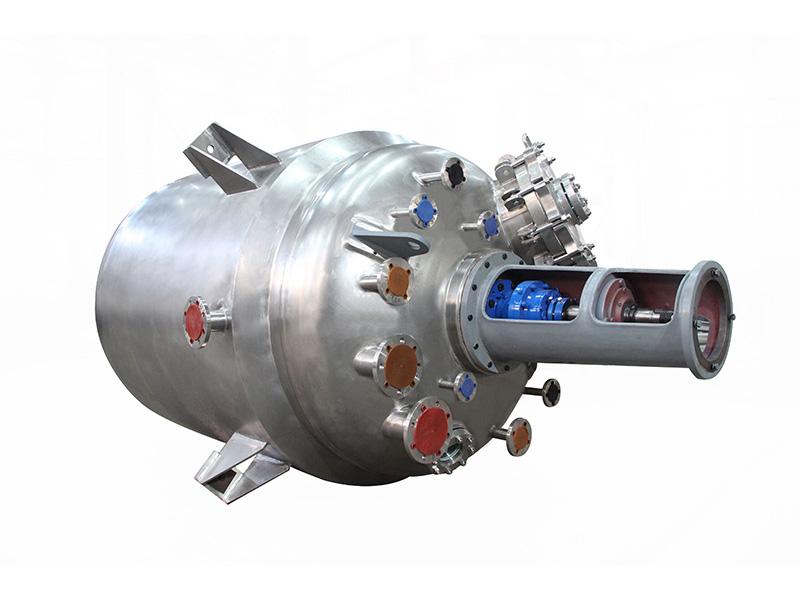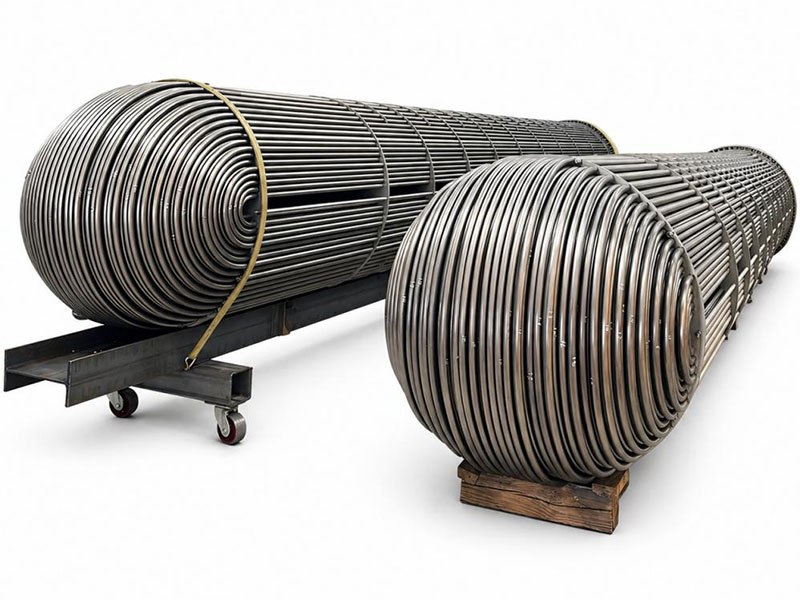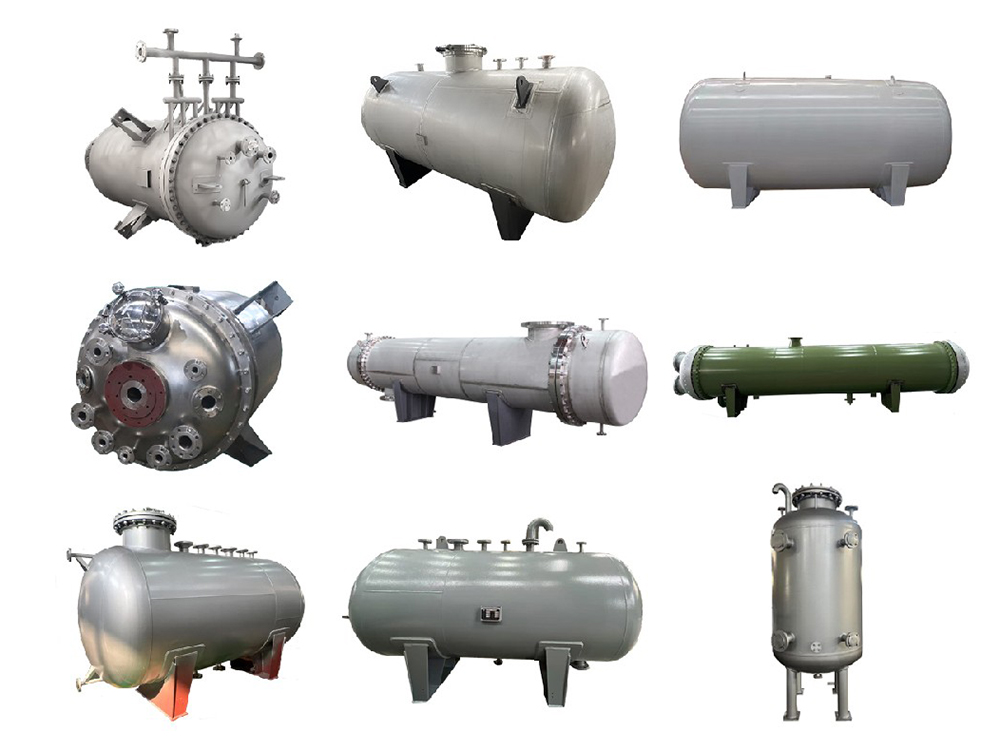

High-pressure storage tanks are mainly classified into three structural types: single-shell, multi-layer wrapped, and belt-wound. Single-shell structures are made of integrally rolled or welded thick steel plates. While simple in structure, they are limited by the maximum available material thickness and are typically used for small to medium-sized tanks with pressures ≤15MPa. The cylinder is welded to standard elliptical or hemispherical heads, and reinforcement calculations are required for openings. Multi-layer wrapped structures are formed by wrapping and welding multiple layers of thinner steel plates, each typically 6-25mm thick. Gaps are eliminated between layers using hydraulic expansion or vacuum electron beam welding. This structure effectively reduces welding residual stress in thick-walled containers, is suitable for tanks with pressures of 15-35MPa, and has better resistance to crack propagation.
Belt-wound structures use thin steel strips or flat steel wires spirally wound around the inner cylinder at a specific angle. A pre-stressed winding process ensures uniform load-bearing across each layer. Steel-strip wound storage tanks possess a leak-before-break safety feature, making them suitable for ultra-high pressure conditions ranging from 35 to 100 MPa. Special structural forms include heat-shrinkable (interference-fit multi-layered cylinder) and wire-wound (high-strength steel wire prestressed winding) types, used for extreme pressure or temperature conditions. The end cap design must match the cylinder; high-pressure tanks often use hemispherical heads to reduce edge stress, while small-diameter tanks can use flat caps but require significantly increased thickness. Support design must consider thermal expansion displacement; horizontal tanks use saddle supports with sliding ends, while vertical tanks require seismic and wind-resistant ring beams. All structural forms must be verified through stress analysis, including calculations using conventional design formulas or finite element analysis (FEA).
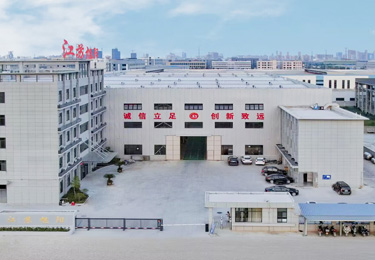
The company is located in the south park of Jingjiang Economic and Technological Development Zone, with superior geographical location and convenient transportation.


Contact:Sang Yuanliang
Tel:13338894168