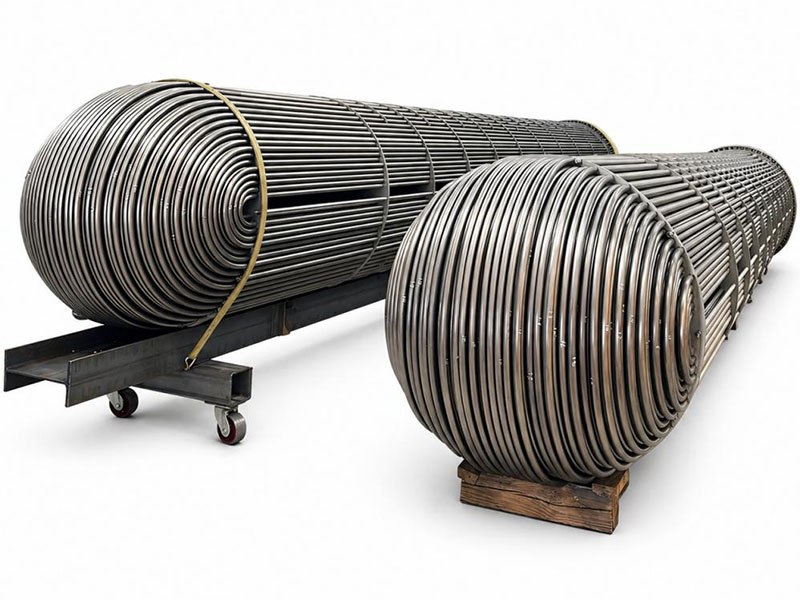

The heat exchanger tubes in a double tube sheet heat exchanger can be divided into several series based on material, structure, and surface characteristics. Metal tubes include carbon steel tubes (GB/T 8163), stainless steel tubes (304/316L), duplex stainless steel tubes (2205), copper-nickel alloy tubes (BFe10-1-1), and titanium tubes (Gr2). Carbon steel tubes are low in cost but have poor corrosion resistance, requiring an internal anti-corrosion coating; stainless steel tubes are suitable for corrosive media but have low thermal conductivity; titanium tubes are resistant to seawater corrosion but are expensive. Non-metallic tubes mainly include polytetrafluoroethylene (PTFE) tubes and fiberglass tubes, used in strong acid and alkali conditions, but with limited temperature resistance. Enhanced heat transfer tube types include internally threaded tubes, externally finned tubes, and corrugated tubes, which improve heat transfer efficiency by 30%-50% by increasing turbulence or expanding the surface area.
Structurally, tubes can be divided into plain tubes, low-finned tubes, and high-finned tubes, with fin heights ranging from 0.5 to 3 mm, suitable for gas heat exchange. Surface-treated tubes, such as galvanized tubes and aluminized tubes, enhance corrosion resistance, while sintered porous tubes are used for media containing particles. Special function tubes include electric heating tubes (with built-in resistance wire), double-walled tubes (leak-proof), and capillary tubes (microchannel heat exchange). Tube diameters range from Φ10 mm to Φ50 mm; smaller diameters are compact but prone to clogging, while larger diameters are suitable for high-viscosity fluids. Wall thickness needs to be calculated based on the design pressure, typically ranging from 1.5 to 3 mm, with an additional 1-2 mm for corrosion allowance. Tube length is limited by the drilling accuracy of the tube sheet and generally does not exceed 6 m to avoid bending deformation. All incoming tubes must undergo eddy current testing, hydrostatic testing, and dimensional tolerance measurement to ensure they are defect-free.
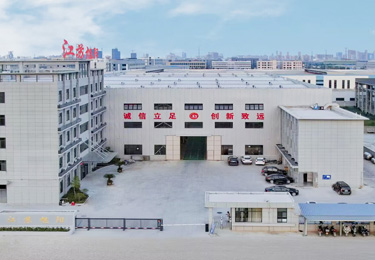
The company is located in the south park of Jingjiang Economic and Technological Development Zone, with superior geographical location and convenient transportation.


Contact:Sang Yuanliang
Tel:13338894168